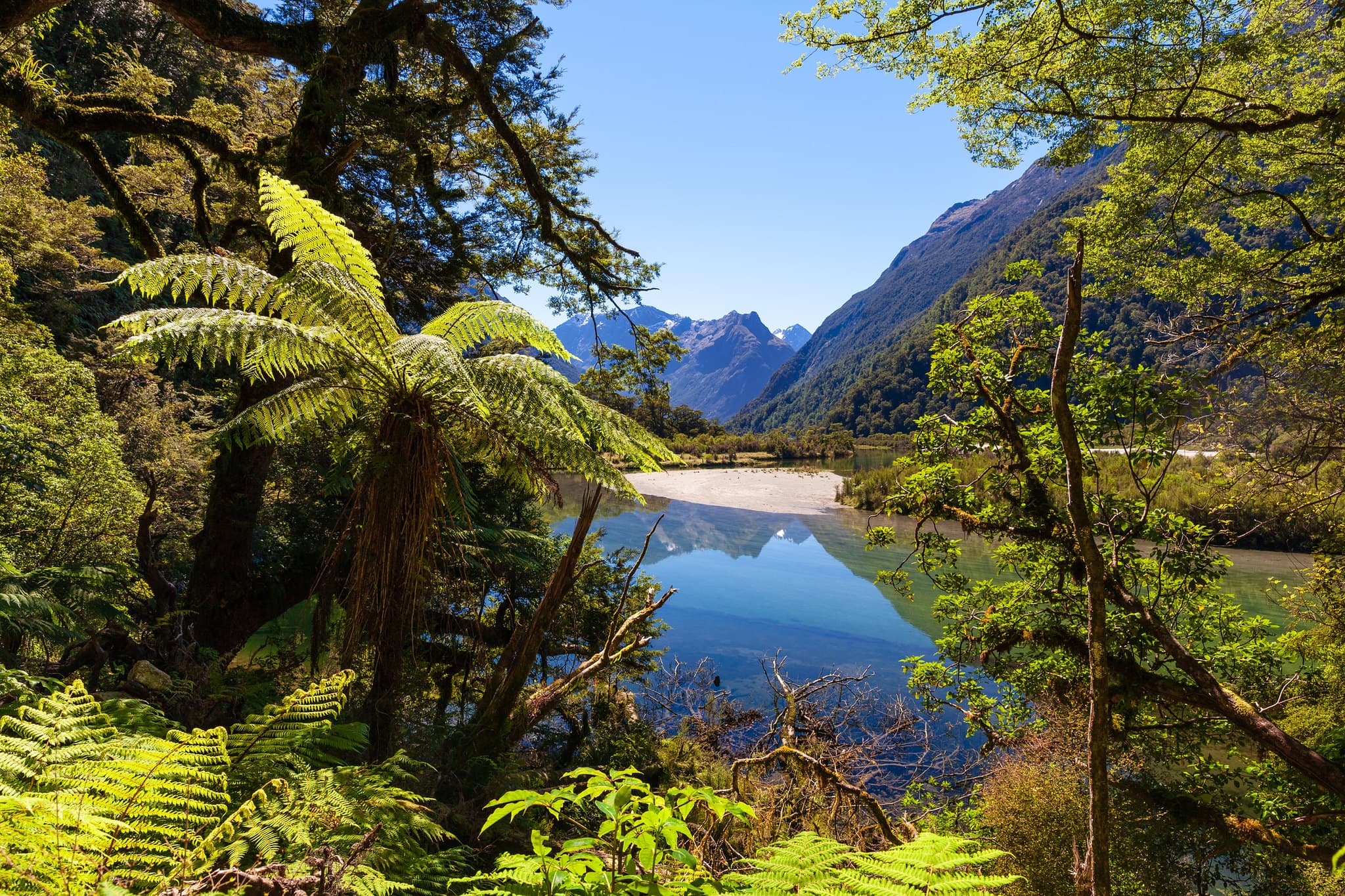
Planning a New Zealand and Australia trip can feel overwhelming. Both countries are bucket-list worthy, English-speaking, and packed with dramatic scenery—but they are very different in scale, climate, and the kinds of experiences they offer. Answer three simple questions and your plan snaps into focus: What kind of traveler are you? When can you travel and how much time do you have? How do you stitch destinations together?

Why these two destinations get mixed up (and why that matters)

On the surface, New Zealand and Australia look similar: coastlines, wildlife, outdoor life, and friendly cities. Under the surface, they work very differently.

  • Australia is a continent. Distances are huge and climates vary wildly across regions.
  • New Zealand is compact and highly scenic within short driving distances, but it is strongly seasonal.

If you ignore those differences when planning a new zealand and australia travel trip, you’ll either waste time in transit, miss must-see windows (like reef visibility or dry-season outback access), or pick the wrong island for the season.

Question 1: What kind of traveler are you?

Start by being honest about what you want to feel, see, and do. Your travel style will drive whether New Zealand, Australia, or both make sense.

If you want dramatic scenery every day

Choose New Zealand. If you love mountains, fjords, short hikes, and landscapes that change hour by hour, New Zealand’s islands deliver more high-impact scenery per driving hour than almost anywhere on earth. Drives like Haast Pass and the Milford Road are experiences, not just transfers.

Snow-capped Mt. Cook behind fields of purple and pink lupin flowers with a blue lake

If you want lifestyle, cities, beaches, and wildlife

Australia often wins. Sydney, Melbourne, Adelaide, and Perth offer vibrant urban culture, warm evenings, impressive wine regions, and iconic coastal living. For wildlife like kangaroos, koalas, crocodiles and snorkeling on the Great Barrier Reef, northern and central Australia are the right places to be.

close-up of a koala sitting on a eucalyptus branch among leaves

Road trips and travel mode matter

Many travelers plan scenic self-drive holidays. This is where the two countries diverge even more for a new zealand and australia travel trip:

  • New Zealand is ideal for road trips. Daily drives are typically 3 to 5 hours and often scenic for the entire route. Ferries and short flights make island connections straightforward.
  • Australia has brilliant road trips, but distances are longer and internal flights are frequently required. A two-week camper-van loop that comfortably covers New Zealand’s South Island may only allow you to explore a single Australian region.

Driver's view from inside a car on a curving two-lane road with trees and a passing red car

For that reason, decide early whether you want a road-trip style holiday. If yes, New Zealand usually gives more scenery for less driving time on a typical two-week schedule.

Question 2: When are your travel dates and how much time do you have?

Timing is the single most expensive planning mistake people make on a new zealand and australia travel trip. Seasons don’t align across the region and some Australian areas are essentially off-limits at the wrong time of year.

Clear slide showing the host with a split NZ mountain and Australian outback background and bold text 'Q 2: Travel Dates & Time'.

New Zealand seasons (simple breakdown)

  • Best time: October to April (spring, summer, autumn) — long daylight hours, ideal for hiking and road trips.
  • Winter: June to September — great for skiing, otherwise shorter daylight, colder alpine conditions, and some hikes and roads may be inaccessible.

Snow-covered ski area in New Zealand with lifts and steep mountain faces and text 'Skiing Season in NZ'

Australia seasons (region by region)

Australia does not have one best season. It has multiple climate zones, so the correct season depends on the part you plan to visit.

  • Southern and temperate regions (Sydney, Melbourne, Tasmania, Adelaide, south of Perth): Best between November and April (summer months). Perfect for beaches, wine regions, and hiking in Tasmania.
  • Northern and central regions (Great Barrier Reef, Cairns, Uluru, Northern Territory, parts of Queensland): Best between April and October — the dry season. Expect lower humidity, clear reef visibility, and comfortable outback temperatures. The wet season, November to March, brings high humidity, tropical storms, and poor reef visibility.

Key month windows and how they affect your trip

Below are practical windows that work well for combining destinations on a new zealand and australia travel trip:

  • December–February: Great for New Zealand and southern Australia (summer). Avoid northern Australia — it’s hot and rainy.
  • July–August: New Zealand’s winter (good for skiers only). Northern Australia is ideal (dry season) — perfect reef and outback conditions.
  • April–May: One of the smartest windows — New Zealand is in autumn (golden colors, fewer crowds); northern Australia moves into dry season; southern Australia is still comfortable. Excellent for combining both countries.
  • October–November: Spring in New Zealand (excellent hiking), dry season still holds up north, and southern Australia is mild. Another strong window to combine both countries.

Presenter overlaid on a split NZ alpine lake and Australian red-rock scene with bold on-screen text 'Dec–Feb > NZ & Southern OZ'.

Question 3: How do you bring it all together?

Once you know your travel style and timing, the rest becomes straightforward. Here are practical plans based on common time budgets and seasons for a new zealand and australia travel trip.

Two weeks during Southern summer (November–April)

If hiking and dramatic scenery are your priority:

  • Focus on New Zealand. Spend 10 days on the South Island and the balance on the North Island.
  • If you want a taste of Australia, consider 3 nights in Sydney and the rest of your time in New Zealand.

Three weeks during Southern summer

More flexibility allows both countries:

  • Two weeks in New Zealand for serious hiking and road trips.
  • One week in southern Australia — choose Melbourne, Adelaide, Tasmania for hiking, or Kangaroo Island for wildlife.

Two weeks during the northern dry season (April–November)

If your dates fall outside New Zealand’s ideal window and you still want outdoor adventure, focus on Australia’s north and central regions:

  • Classic “triangle” itinerary: Sydney, Great Barrier Reef (Cairns/Port Douglas), and Uluru — best from late April to early November.
  • For a mix including New Zealand: use April or November for short New Zealand visits (North Island is milder), then spend the rest of your time in Australia.

Presenter in front of split background showing New Zealand mountains and Uluru with overlaid text '2 Weeks OZ + 1 Week NZ'.

Sample itineraries (quick templates)

14-day hiking-focused New Zealand trip

  1. Day 1–3: Auckland to North Island highlights (Coromandel, Rotorua)
  2. Day 4: Fly to Queenstown
  3. Day 5–10: South Island loop — Milford Sound, Fiordland, Wanaka, Mount Cook, Tekapo
  4. Day 11–14: Return to Christchurch and depart (or add more South Island time)

14-day Australia-focused dry-season trip

  1. Day 1–3: Sydney — city, beach, and culture
  2. Day 4–8: Cairns and Great Barrier Reef — reef tours and snorkeling
  3. Day 9–11: Fly to Uluru — sunset/sunrise in the outback
  4. Day 12–14: Choose Melbourne or Adelaide for food, wine, and coastal drives

These templates are starting points. Adjust based on the travel mode you prefer (self-drive, camper van, guided tours, or flights between regions).

Practical tips and final checklist

Before you book anything, run these checks for a successful new zealand and australia travel trip:

  • Check seasons for each region you plan to visit and align your dates with dry-season windows for the tropics and summer windows for southern regions.
  • Decide on travel mode: camper van across New Zealand vs. flights and regional driving in Australia change how much ground you can cover.
  • Allocate time smartly: two weeks suits one country well; three weeks lets you split the time; longer lets you explore multiple regions properly.
  • Prioritize experiences: hiking and fjords? New Zealand. Reef, outback, wildlife, and city culture? Australia.
  • Book experiences in season: reef tours, outback excursions, and national park access can be seasonal or limited.

Wrapping up: the three deciding questions

When planning a new zealand and australia travel trip, reduce complexity by answering these in order:

  1. What kind of traveler are you? (scenery and hikes, city and lifestyle, wildlife, or road-tripper)
  2. When and how much time do you have? (align dates with seasons for the regions you want)
  3. How do you bring locations together? (pick a focused region or split time intelligently)

Get these three right and your trip planning becomes focused, efficient, and much more rewarding. If you want a downloadable itinerary or sample plans, consider making a checklist of must-see experiences and match them to available windows on your calendar.

Enjoy planning — with the right timing and priorities, a new zealand and australia travel trip can be one of the most memorable journeys you’ll ever take.

Additional Travel Resources for a New Zealand Itinerary:

To further enhance your trip, here are some valuable resources:

  • Selection of Value for Money Rental Cars 🚗Click here.
  • Wide Selection of Camper & Motorhomes 🚐 Click here.
  • Download the 100% FREE NZ Travel Planning Sheet here
  • Watch our NZ Travel Planning Playlist on YouTube here
  • Review our NZ Sample Travel Itineraries on YouTube here
  • Check out our NZ Road Trips Playlist for route inspiration here
  • Visit key NZ Travel locations on our playlist here
  • Explore our NZ Must Do & See Playlist here

Self-drive Road Trips:

Christchurch to Lake Tekapo

Lake Tekapo to Mt Cook National Park

Lake Tekapo to Dunedin

Dunedin to Invercargill

Invercargill to Te Anau

Queenstown to Milford Sound

Punakaiki to Franz Josef

Leave a Reply

Your email address will not be published. Required fields are marked *

Search

Categories
Latest Articles
Get a free quote