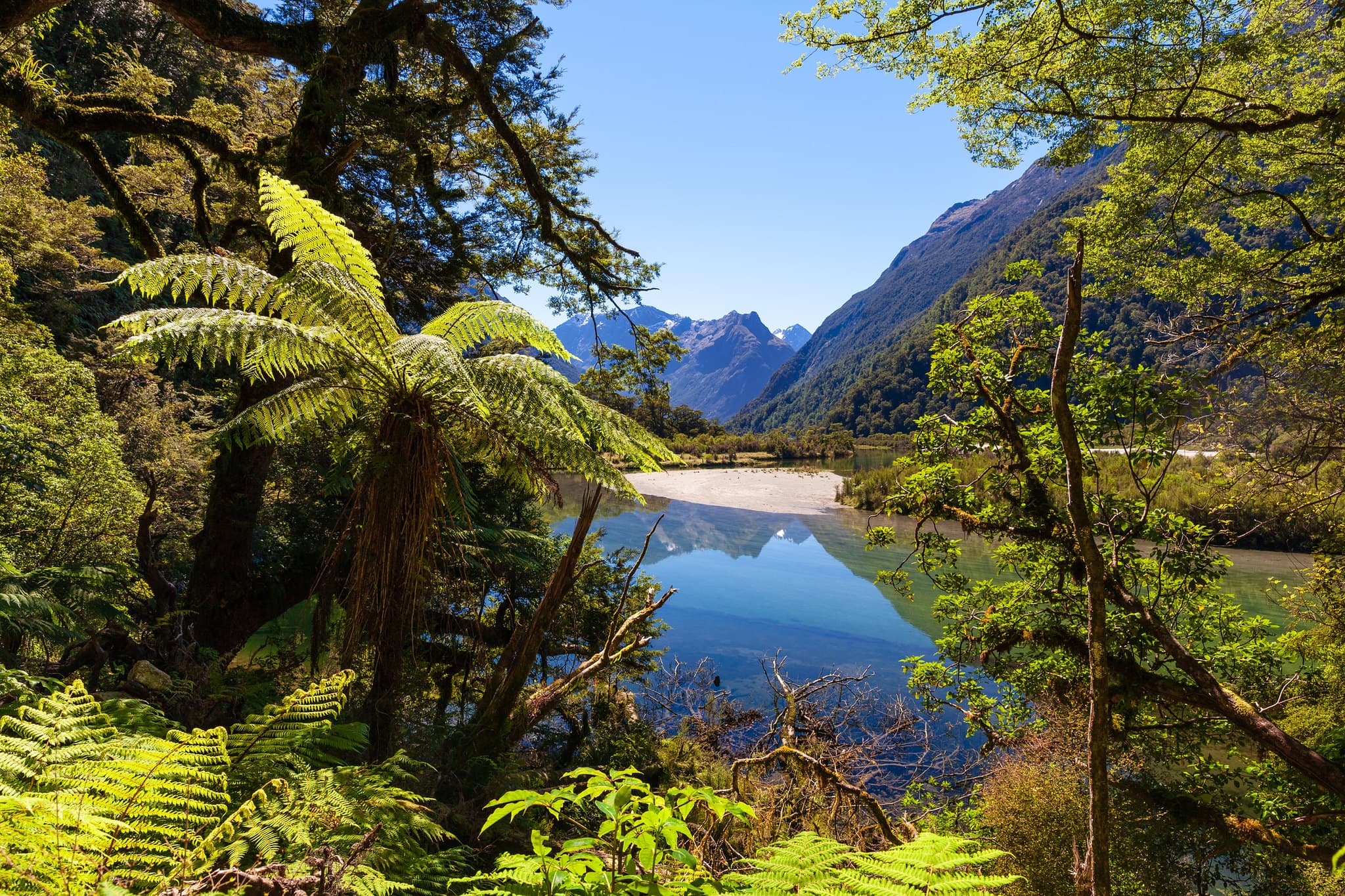
Rental Car or Motorhome New Zealand: How to Choose the Right Vehicle for Your Trip
July 18, 2026
Watch on YouTube
Choosing a rental car or motorhome new zealand trip before planning the route is one of the fastest ways to waste money, lose valuable holiday time, and end up with a vehicle that does not suit the journey at all. It happens all the time. People see beautiful images of campervans by a lake, book one immediately, then realise they have only two weeks, want to cover both islands, and will spend most of their time behind the wheel.
The better question is not, "Which vehicle is best?" A rental car, campervan, and motorhome can all be excellent choices. The real question is: what kind of New Zealand holiday do you want?
Your choice comes down to a simple tradeoff between cost, comfort, and travel style. You cannot maximise all three. A large motorhome gives you plenty of space and onboard facilities, but costs more and travels more slowly. A rental car is cheaper and flexible, but requires accommodation bookings. A campervan falls somewhere between the two.
Get your time budget and travel priorities clear first. Once you do that, the right vehicle becomes much easier to choose.
Start With Your Time Budget, Not the Vehicle
New Zealand may look compact on a map, but it is not a small country to drive around. The road distance from Cape Reinga at the top of the North Island to Bluff at the bottom of the South Island is more than 2,200 kilometres. That is roughly comparable to driving from Copenhagen to Rome, or from Los Angeles to Oklahoma City.
For any rental car or motorhome new zealand itinerary, maps can be misleading. Roads are often winding, with one lane in each direction. Journeys take longer than people expect, particularly when you add photo stops, local walks, cafés, fuel stops, weather changes, and the simple fact that the scenery is far too good to rush past.
Driving a larger motorhome adds more time again. You are not going to cover the same ground as someone in a compact car, and you should not try to. New Zealand is at its best when you allow room for the unexpected stop, the short walk that turns into an afternoon, or the quiet coastal town that was never on the original plan.
Take Queenstown to Milford Sound as a perfect example. It is around five hours of driving each way. That makes a ten-hour return drive before you have allowed proper time to enjoy Fiordland National Park, take photographs, stop at the many viewpoints, or go for a walk. It is simply too much for one enjoyable day.
If you can bring three to four weeks, you have a very comfortable time frame for a full New Zealand trip. If you have only two weeks and are trying to see both islands, a large motorhome can turn far too much of the holiday into driving.
That is why the first principle of planning a rental car or motorhome new zealand holiday is simple: give yourself more time than you think you need.
The Three-Way Tradeoff: Cost, Comfort, and Travel Style
There is no universally perfect choice between a car, campervan, and motorhome. Each one asks you to travel differently.
When deciding on a rental car or motorhome new zealand journey, think honestly about what matters most. Do you want to wake up in your own vehicle in a designated freedom camping location? Do you value staying in unique B&Bs and cottages? Are you travelling with children and need room to spread out? Are you comfortable driving a larger vehicle on the left side of the road?
Your answers should decide the vehicle. Do not let the vehicle decide the entire trip for you.
Why a Rental Car Is Often the Smartest Choice
A rental car is often dismissed as less adventurous. No bed, no kitchen, no overnight parking beside a lake. But for many travellers, it is actually the most practical and rewarding way to explore the country.
A rental car or motorhome new zealand comparison should always include the total cost, not just the daily hire rate. Cars are typically cheaper to rent, cheaper to fuel, and simpler to park. You also avoid the added expense of taking a large vehicle on the Cook Strait ferry.
More importantly, a rental car opens up areas that can be difficult or prohibited for larger vehicles. Motorhomes are often restricted to sealed roads, and rental agreements can specify roads where they cannot be driven. A car generally comes with far fewer limitations.
That flexibility matters if you want to discover the quieter side of New Zealand:
For shorter trips, couples' holidays, and trips centred on unique accommodation, a rental car is often the winner. It is particularly sensible in cooler months, when freedom camping becomes less appealing because of cold temperatures and shorter daylight hours.
If this sounds like your style of rental car or motorhome new zealand travel, compare New Zealand rental car options before committing. Policies can matter just as much as prices.
The Best Strategy for Limited Time: Split Your Trip
Here is the option that many people never consider: you do not have to use the same vehicle for your entire trip.
A split itinerary can be the best answer to the rental car or motorhome new zealand question, especially when time is tight. Use a rental car in the North Island, fly to the South Island, and pick up a campervan or motorhome there.
Why does this work so well? The North Island is more compact, and a car gets you easily into the coast, countryside, smaller communities, and accommodation options. You can cover the highlights without hauling a large vehicle everywhere.
The South Island is where a campervan or motorhome often earns its reputation. The landscapes are larger, the distances between major scenic areas can feel more dramatic, and the freedom of sleeping in a self-contained vehicle can be a real part of the experience.
Instead of driving a vehicle between islands, use a domestic flight. This saves time over a ferry crossing that can be slow and occasionally cancelled. Flights from Auckland to the South Island can also be among the cheapest domestic fares in the country, so you may save money as well as days of driving.
This split approach is also a low-risk way to try travelling in a larger vehicle. If you have never driven a motorhome, especially on the left side of the road, you do not want one difficult experience to affect the whole holiday. Try it for the South Island portion. If it is not your thing, the entire trip is not built around it.
For many people, this is the most efficient rental car or motorhome new zealand strategy available. It can save days in peak season and potentially more than a thousand New Zealand dollars in unnecessary transport costs.
To make the routing easier, use these free New Zealand itinerary ideas alongside an online travel planner. The important thing is to map realistic travel days before you reserve a vehicle.
Campervan vs Motorhome: They Are Not the Same
People often use "campervan" and "motorhome" as if they mean exactly the same thing. They do not. Booking the wrong category can have a major impact on your budget, route, daily comfort, and overnight options.
What Is a Campervan?
A campervan is usually the smaller option. It commonly suits two to three people and has a compact sleeping area, a small kitchenette, and easier handling on the road. It is generally simpler to park and less intimidating to drive than a larger motorhome.
For couples deciding between a rental car or motorhome new zealand experience, a campervan often gives the best balance. You can freedom camp on one night, stay in a motor park the next, and book a proper B&B or cottage when you want a bit of extra comfort.
What Is a Motorhome?
A motorhome is larger and more fully equipped. It can accommodate up to six people and may include a proper bathroom, shower, toilet, and full kitchen. For families or groups, that space can be valuable. Children have more room, meal preparation is easier, and the vehicle becomes a practical base for an active holiday.
But bigger is not automatically better. Large motorhomes cost more, consume more fuel, are harder to park, can be restricted from particular roads, and take more confidence to drive. Unless you genuinely need the space, do not default to the largest vehicle available.
Self-Contained Certification and Freedom Camping
The most important practical detail when booking a campervan or motorhome is self-contained certification. This affects where you can legally stay overnight and whether you can use designated freedom camping areas.
A self-contained vehicle has onboard toilet facilities and a system for collecting wastewater for disposal at designated points. This is what makes overnight travel in a campervan or motorhome possible in certain approved locations.
For a rental car or motorhome new zealand plan, do not assume every vehicle gives you the same overnight rights. Check the vehicle certification and understand the rules before you build an itinerary around freedom camping.
Freedom camping can be a brilliant part of a journey, but it should not be the only accommodation plan. A smaller campervan gives you the flexibility to mix overnight styles according to weather, location, and how you feel on the day.
Understand Peak Season Costs Before You Book
Summer demand has a major effect on the rental car or motorhome new zealand decision. Between November and February, campervan and motorhome fleets are limited, and prices rise sharply.
A luxury motorhome can cost around NZ$350 to NZ$600 per day in peak season. A mid-range campervan can sit around NZ$200 per day. Those daily prices can add up very quickly, particularly on a longer holiday.
There are additional costs to consider too:
The Cook Strait ferry can be especially expensive with a large vehicle. A 6.5-metre motorhome with two passengers can cost around NZ$500 one way. Add that to peak-season rental costs and the case for flying between islands becomes even stronger.
Use a campervan and motorhome comparison service to look beyond the headline rate. Compare vehicle size, self-contained status, road restrictions, insurance conditions, and cancellation policies before making a decision.
Which Vehicle Suits Your Travel Style?
If you are still weighing up a rental car or motorhome new zealand trip, this simple guide can help.
Match the Vehicle to the Trip, Not the Other Way Around
The real lesson behind every rental car or motorhome new zealand decision is that planning works as a chain. Your available time determines how much ground you can realistically cover. That determines the right vehicle. The vehicle then determines your route, your accommodation choices, the roads you can drive, and the people and places you are likely to encounter.
Get the first link wrong and everything else becomes harder. A rushed itinerary in a large motorhome can be expensive and exhausting. A rental car with carefully chosen accommodation can be far more rewarding than expected. A split trip can give you the best of both worlds.
So, match the vehicle to the holiday you actually want. Allow more time. Use a car for the North Island and for quieter, remote corners. Consider a campervan or motorhome in the South Island when freedom and big scenery are priorities. And if you are short on time or unsure which style suits you, split the trip and fly between the islands.
A well-planned rental car or motorhome new zealand holiday is not about choosing the biggest vehicle or following somebody else's idea of the perfect road trip. It is about making the vehicle work for your time, budget, confidence, and travel style.
Watch More New Zealand Travel Videos
Subscribe to our YouTube channel for destination guides, travel tips, and itinerary inspiration.
Visit Our YouTube Channel