Watch on YouTube
If you plan to travel New Zealand in winter, there is one big misconception to get out of the way first: most people imagine deep snow, brutal cold, and difficult travel across the whole country. For most of New Zealand, that simply is not the reality.
In fact, winter can be one of the smartest times to visit. You often get fewer crowds, lower prices, cleaner air, and in some regions, even better conditions than in summer. The trick is understanding how winter in New Zealand actually works, because it is very different from the winter many travelers expect.
If you get the basics right, travel New Zealand in winter can be easier, quieter, and far better value than a peak summer trip.
1. New Zealand winter is milder than most people think
This is where many travelers get it wrong. They picture snow on the ground in every town, frozen mornings everywhere, and survival-level cold. But winter in New Zealand is generally moderate, especially outside alpine areas.
Typical daytime temperatures are much more manageable than people expect. In July, Auckland averages around 14°C, or about 57°F. Christchurch sits around 11°C. Even Queenstown, which many people think of as a proper alpine winter destination, still reaches around 8°C during the day.
That is jacket weather, absolutely. But it is not extreme-weather territory for most trips.
For travelers coming from hot and humid climates, winter in New Zealand can actually feel refreshing. You trade the heat and moisture for crisp, dry air, clear skies, and a very different atmosphere from the muggy conditions many people are used to.
The best way to dress is not with one giant coat. It is with layers.
That combination will handle most winter conditions across the South Island and much of the North Island. If you need help building a clothing list, this packing guide for New Zealand is a useful place to start.
2. Snow is mostly limited to alpine regions
Another common myth is that the whole country turns into a snow-covered landscape in July. It does not.
In a typical winter, around 80% of New Zealand does not see snow at all. Snow is mainly an alpine story. Think the Southern Alps, Queenstown, Wānaka, Aoraki Mount Cook, Arthur's Pass, and the Central Plateau in the North Island.
Outside those higher regions, winter is far more likely to mean rain, cold mornings, and maybe a frost overnight. The lowlands, coastal towns, and major cities mostly stay snow-free.
This matters because it affects where you should base yourself depending on the kind of trip you want.
If you want classic green New Zealand scenery
Choose the North Island or coastal areas of the South Island. You still get that postcard combination of green hills, blue water, and dramatic landscapes throughout winter.
If you want snow
Head for Queenstown, Wānaka, or Tongariro National Park. Those are the places where winter feels more like the snowy New Zealand many people imagine.
3. Short daylight hours are the real planning challenge
When people worry about winter travel, they usually focus on temperature. In practice, daylight is often the bigger issue.
In June, New Zealand gets roughly nine hours of daylight. Sunrise is around 7:45 a.m. and sunset is around 5:15 p.m. Compare that with summer, when you can get more than 15 hours of daylight, and the difference is huge.
This changes how you build an itinerary.
That last point is especially important. Roads may be open and conditions may be fine during the day, but once temperatures drop and visibility goes, the margin for error gets smaller.
So if you want to travel New Zealand in winter smoothly, start early, finish earlier than you think, and leave more breathing room in your schedule.
4. Winter can make New Zealand far more affordable
New Zealand has a reputation for being expensive, and fair enough, it can be. But winter changes the math.
Outside school holidays and the peak ski weeks in July, prices can drop sharply by New Zealand standards. Accommodation often falls first, but it is not the only saving. Rental cars, tours, and even some restaurant pricing can become noticeably more reasonable in winter.
Accommodation can drop by up to 40% compared with peak summer rates. A lakefront room in Queenstown that might cost NZD 500 a night in January could be closer to NZD 280 in May or June.
That can turn New Zealand from a once-in-a-lifetime splurge into a genuinely achievable trip.
The key is timing. If you want the best value when you travel New Zealand in winter, avoid the July school holiday spike, especially in ski-focused areas like Queenstown and Wānaka.
For route ideas and timing help, these sample New Zealand itineraries can make planning much easier.
5. The crowds shrink dramatically
This is one of winter's biggest advantages, and honestly, one of the most underrated.
In summer, places like Milford Sound, Hooker Valley, and central Queenstown can feel packed. Cruises sell out. Car parks overflow. Restaurants fill up. Trails that should feel wild can feel busy.
Winter changes the atmosphere completely.
Milford Sound cruises can run at a fraction of summer capacity. Hooker Valley can feel calm and open, with only a handful of people on the trail instead of hundreds. Queenstown restaurants are much more likely to accept walk-ins.
The scenery does not disappear in winter. If anything, the quieter conditions make it more powerful. You are seeing the same mountains, lakes, and fjords, just without the constant crowd pressure.
6. Most major operators stay open, but not everything does
There is a trap here.
Many people assume winter means everything shuts down. Others assume the opposite and think everything runs exactly as it does in summer. The truth sits somewhere in between.
Most major tourism operators do run year-round. That includes big-ticket experiences like:
But some smaller, family-run operators pause during winter. Certain accommodation providers may close temporarily as well. And while many walking tracks remain technically open, some are not maintained to the same standard in winter and can require proper alpine skill and equipment.
The fix is simple: check operator websites before finalizing your route, and if something is a must-do, confirm the winter schedule directly.
If one particular experience is not running, it is often possible to swap to a similar activity in another region rather than rebuilding the whole trip.
7. Driving in winter is usually easier than the rumors suggest
Driving is the part that worries international travelers most, and I understand why. But the reality is generally much better than the stories floating around online.
Most main highways stay open through winter. State Highway 1, the main route through both islands, remains open. West Coast roads usually remain open too. Major passes such as Lewis Pass, Arthur's Pass, and Haast Pass are normally open, though chains may be advised on the worst days.
There are a few exceptions where temporary closures do happen:
But these closures are often short, measured in hours rather than days.
The golden rule before any alpine drive is to check official road conditions. The NZTA road conditions page is the key resource. It tells you which roads are open, which require chains, and which are temporarily closed.
If you want to travel New Zealand in winter by road, that one habit alone can save a lot of stress.
8. You probably do not need a 4WD, but you may want snow chains
A lot of travelers assume winter means they must rent a four-wheel drive or all-wheel drive vehicle. In most cases, that is unnecessary.
For around 95% of winter trips, a standard two-wheel drive rental car is perfectly adequate. Roads are generally well maintained and alpine passes are usually cleared quickly.
That said, there are two practical caveats:
Snow chains can usually be hired through the rental company for roughly NZD 30 to NZD 40. You may not need them at all, but if conditions change, you will be very glad they are in the car.
A regular rental car is usually the smarter choice. If you need options, these New Zealand rental car listings are relevant for winter trip planning.
9. Campervan travel is far less appealing in winter
This is one point people often underestimate.
Campervan travel is brilliant in the warmer months. It fits the road trip dream perfectly. In winter, though, it can become more hassle than freedom.
Some freedom camping facilities are reduced or unavailable. Toilets may close. Water taps can freeze. And from a driving perspective, handling a top-heavy motorhome on an icy alpine road is not exactly relaxing.
That is why a car-and-hotel approach often works much better when you travel New Zealand in winter. It is warmer, easier, and safer for most itineraries.
Save the campervan plan for late spring through early autumn, roughly November to March. Winter is usually the season for a normal self-drive trip with fixed accommodation.
If you want a ready-made planning tool, this winter travel checklist covers practical essentials such as alpine passes, operators, and packing.
10. Some parts of New Zealand are actually better in winter
This is the part that surprises people most.
There are regions where winter is not just acceptable. It can be the better season to go.
Abel Tasman National Park
Abel Tasman has a reputation as a summer destination, but summer can bring serious rain in this region, along with crowded kayaking tours and busy water taxis.
In winter, the area often gets around half the rainfall of summer. The golden beaches are still there, the coastline is still stunning, and the park becomes dramatically quieter.
Yes, the water is cooler. But if your priority is scenery, space, and a calmer experience, winter can be a fantastic time for Abel Tasman.
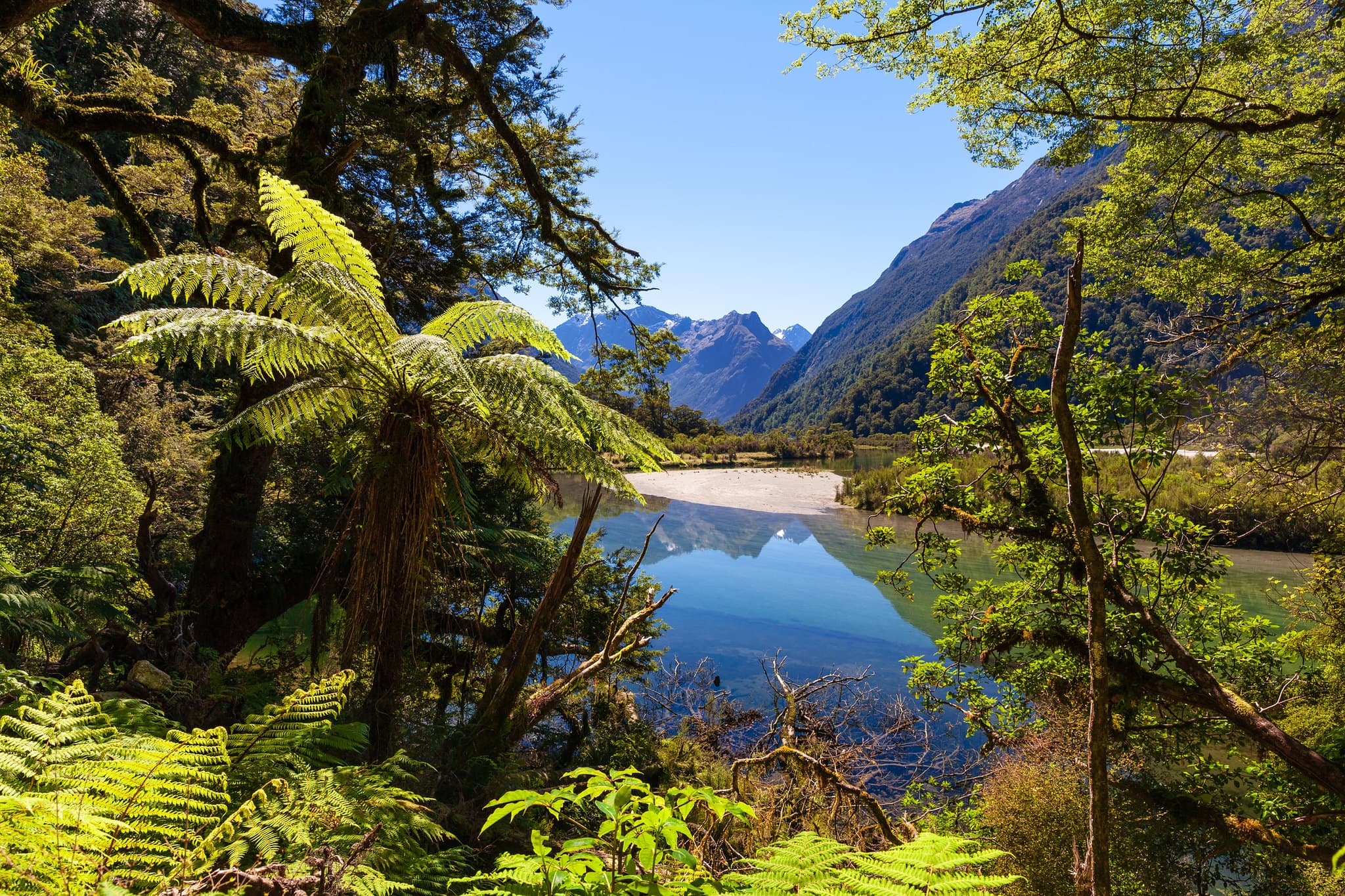
Fiordland, including Milford Sound and Doubtful Sound
Fiordland in summer is famously wet. Milford Sound receives over six metres of rain a year, and summer often brings storms, low cloud, and one more issue that nobody misses in winter: sandflies.
From May to August, conditions can be drier and calmer. Winds often drop. Sandflies are vastly reduced. That creates a very different kind of Fiordland experience.
You can get:
Those mirror-like reflections on calm days can make the whole place look unreal.
If Fiordland is on your route, these guides to Milford Sound and Fiordland can help with trip planning.
The West Coast
The same basic weather pattern continues along the West Coast, including places like Punakaiki, Hokitika, and Franz Josef.
Summer is often the wetter season here. Winter tends to be drier and calmer, which can make a real difference for sightseeing and activity reliability.
One of the best examples is glacier helicopter flights. These often run more consistently in winter because weather windows are more stable.
If glacier country is high on your list, this Franz Josef guide is worth checking before you lock in your route.
A practical winter strategy that works
If I had to boil the whole thing down into one simple approach, it would be this:
Final thoughts on whether to travel New Zealand in winter
If you are willing to plan around shorter days and stay realistic about alpine conditions, there is a lot to love when you travel New Zealand in winter.
You get a quieter version of the country. Prices often improve. Big-name sights become easier to enjoy. And in some places, winter delivers exactly the conditions that summer struggles to provide.
The biggest mistake is assuming winter in New Zealand behaves like winter in Europe or North America. It usually does not. Snow stays mostly in the mountains. Coastal and lowland areas often remain green. Roads are more accessible than people think. And the trip can feel calmer, cleaner, and more rewarding than a peak-season visit.
So no, winter is not the season to avoid by default. For the right itinerary, it may be the smartest time of all to travel New Zealand in winter.
Watch More New Zealand Travel Videos
Subscribe to our YouTube channel for destination guides, travel tips, and itinerary inspiration.
Visit Our YouTube Channel