



The Rotorua to Tongariro National Park drive looks straightforward on a map, but rushing it means missing some of the North Island’s most interesting geothermal sights, short walks and natural hot pools. This guide turns that simple road trip into a carefully paced day (or two) of highlights, timing tips and accommodation options so you get the best out of the route without burning out.

Overview: timing and a simple route plan
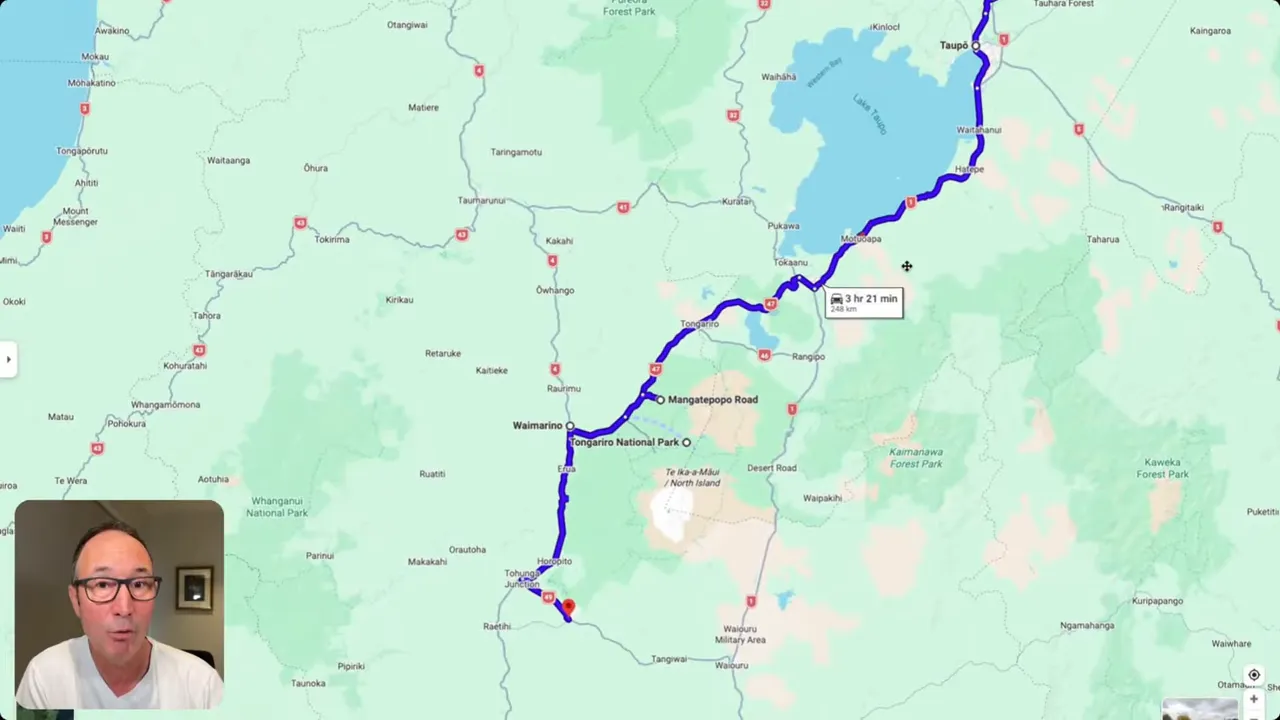
Google Maps suggests roughly 2.5 hours between Rotorua and Tongariro National Park. In practice, allow closer to three hours driving time if you’re not racing and want to stop. If you plan to explore geothermal parks, hot springs and short walks on the way, build a full day into your itinerary—or better, spread the trip over two days.
A practical route:
- Rotorua south toward Lake Rotorua and the buried village sites
- Waimangu Volcanic Valley and Lake Rotomahana
- Kerosene Creek, Wai-O-Tapu and Orakei Korako
- Continue to Taupo for Huka Falls and jet boating
- Finish up around either National Park Village, Whakapapa or Ohakune depending on hikes planned in Tongariro
Before you leave Rotorua: hidden gems worth a short detour
If you’re staying in Rotorua for a night or two, add these nearby experiences to your Rotorua to Tongariro National Park drive checklist before you head south.
Mountain biking on Rotorua trails
Rotorua is a mountain-biking hub with world-class trails just minutes from town. Even a quick ride will give a taste of the local outdoor culture—perfect if you want to start the day active and on the cooler side before visiting thermal attractions.
Blue and Green Lake outlook
A short photo stop with spectacular colours—great if you want a scenic moment early in the day.
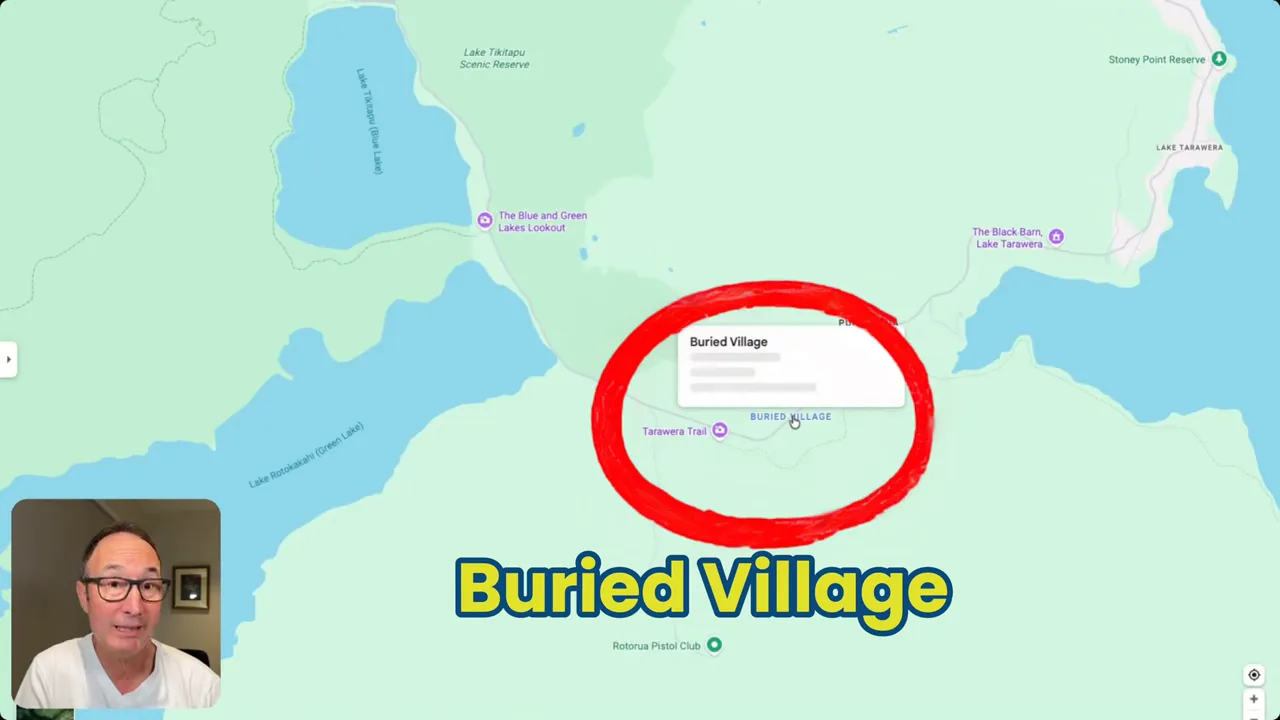
Buried Village (Te Wairoa)
The 1886 eruption of Mount Tarawera buried a lakeside village, and the Buried Village site tells that dramatic story. It’s a brief, poignant visit and sits slightly off the main road—worth the extra five to ten minutes.
Waimangu Volcanic Valley and Lake Rotomahana: the “full Waimangu” experience
Roughly 30 minutes south of Rotorua, Waimangu Volcanic Valley is one of the most vivid geothermal experiences on the route. For many visitors this is the single best stop on the Rotorua to Tongariro National Park drive.
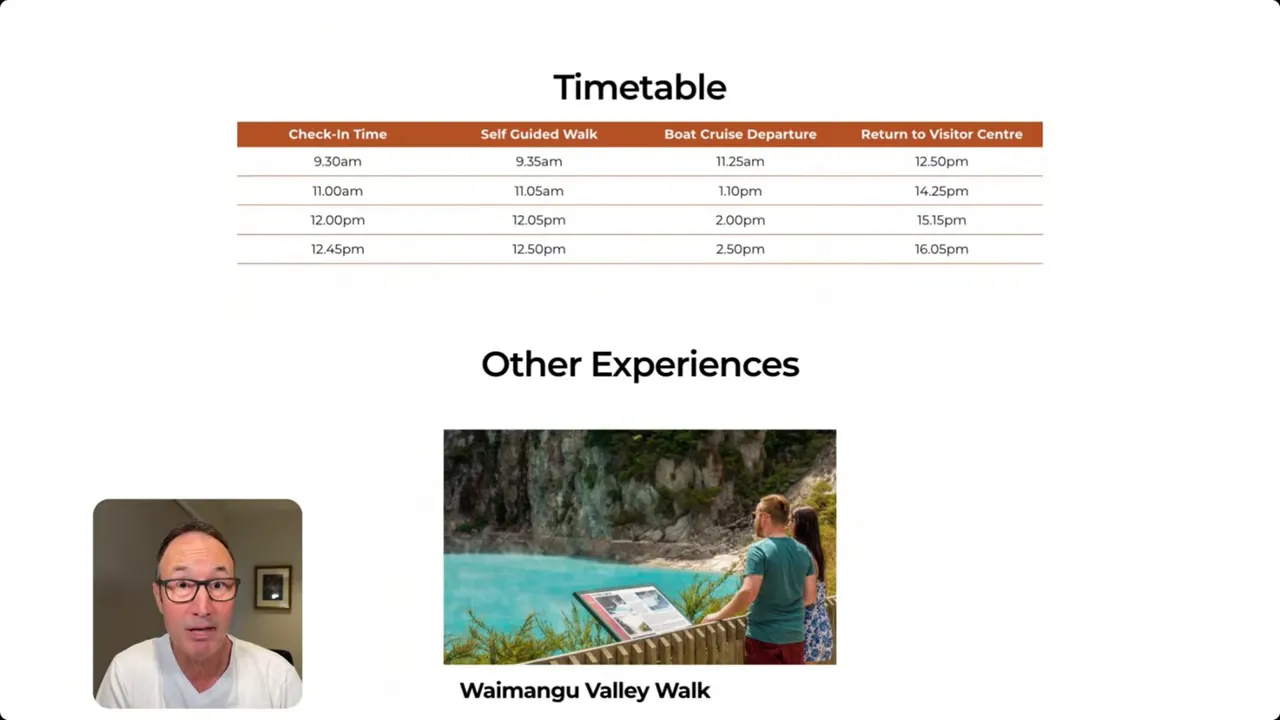
The full Waimangu experience combines a self-guided valley walk through steaming vents and colourful silica terraces with a boat cruise on Lake Rotomahana. Allow 3 to 4 hours for the complete experience. Tours have set departure times (for example 9:30 and 11:00), so pre-booking is recommended to fit everything into your day.
Practical points:
- Duration: 3–4 hours for walk + cruise.
- Booking: Reserve the boat in advance and check available shuttle options if walking is difficult.
- Why stop: You’ll see rare geothermal features and a beautiful, quiet lake cruise that other drives miss.
Kerosene Creek: a free natural hot pool stop
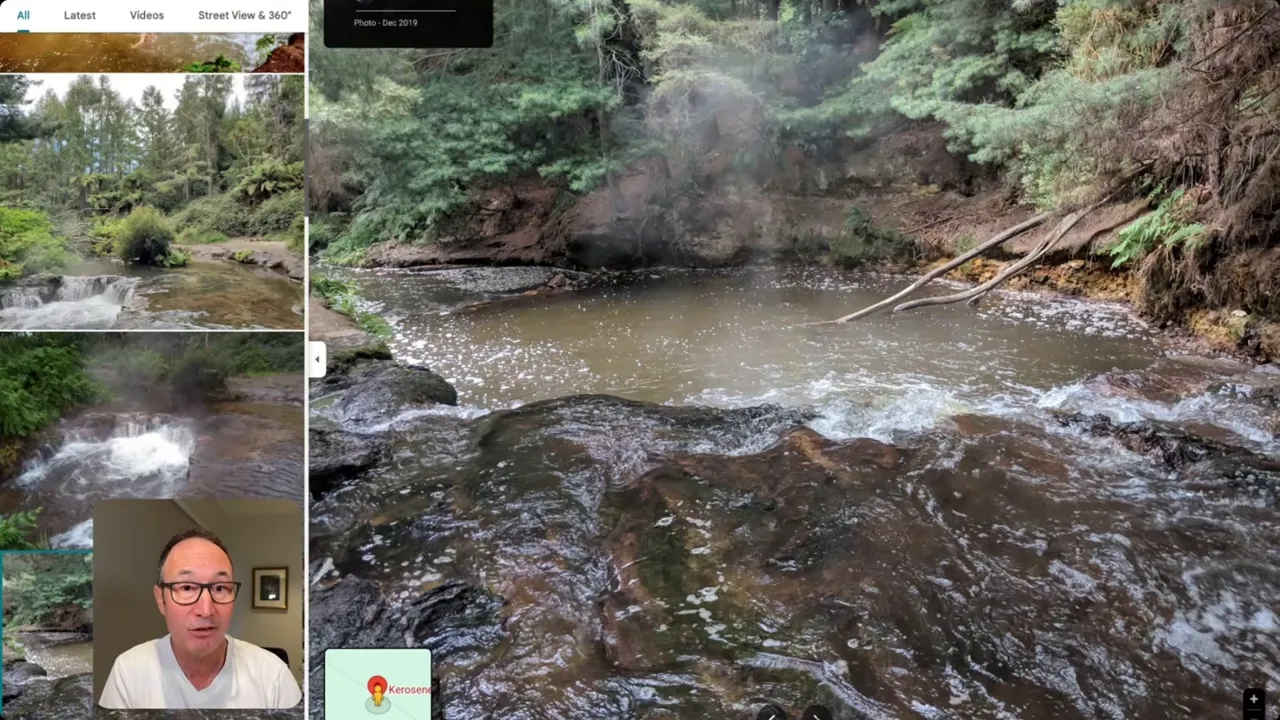
A favourite quick stop on the Rotorua to Tongariro National Park drive is Kerosene Creek. It’s an undeveloped, forested hot stream with pools that average around 38°C—bring a towel and footwear for the short walk from the car park.
Notes:
- Facilities: None—this is a natural spot so leave no trace.
- Safety: Temperatures and pool depth vary; test the water first and watch children closely.
Wai-O-Tapu and the Lady Knox Geyser
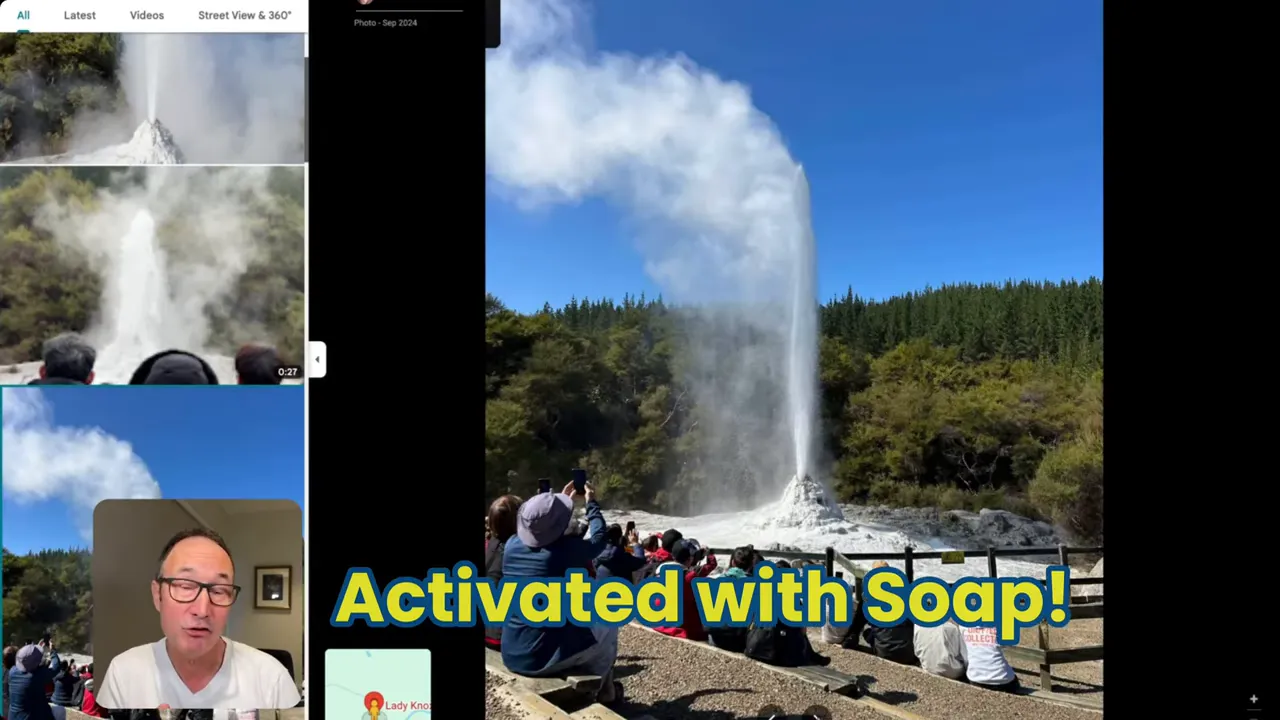
Wai-O-Tapu Thermal Wonderland is one of New Zealand’s best-known geothermal parks. The Lady Knox Geyser is a theatrical daily event—when the surface tension is disturbed (traditionally with soap) the geyser erupts to 10–20 metres. It’s a fun spectacle and attracts crowds at the scheduled time.
A timing tip for quieter visits: do Wai-O-Tapu early or, if you’d like less bustle afterwards, visit Wai-O-Tapu after watching Lady Knox and then move on. Alternatively, if you prefer to avoid the geyser crowd entirely, visit Wairakei/Waiotapu thermal areas first—these tend to be quieter in the 10:15–11:00 window.
Orakei Korako: the hidden “moon landscape”
If you want a more remote geothermal experience, detour to Orakei Korako Geothermal Park. About 25 minutes from the main road, Orakei Korako feels otherworldly: silica terraces, steaming vents, and a loop walk across a small jetty or ferry crossing make this a quieter and more intimate alternative to the larger parks.
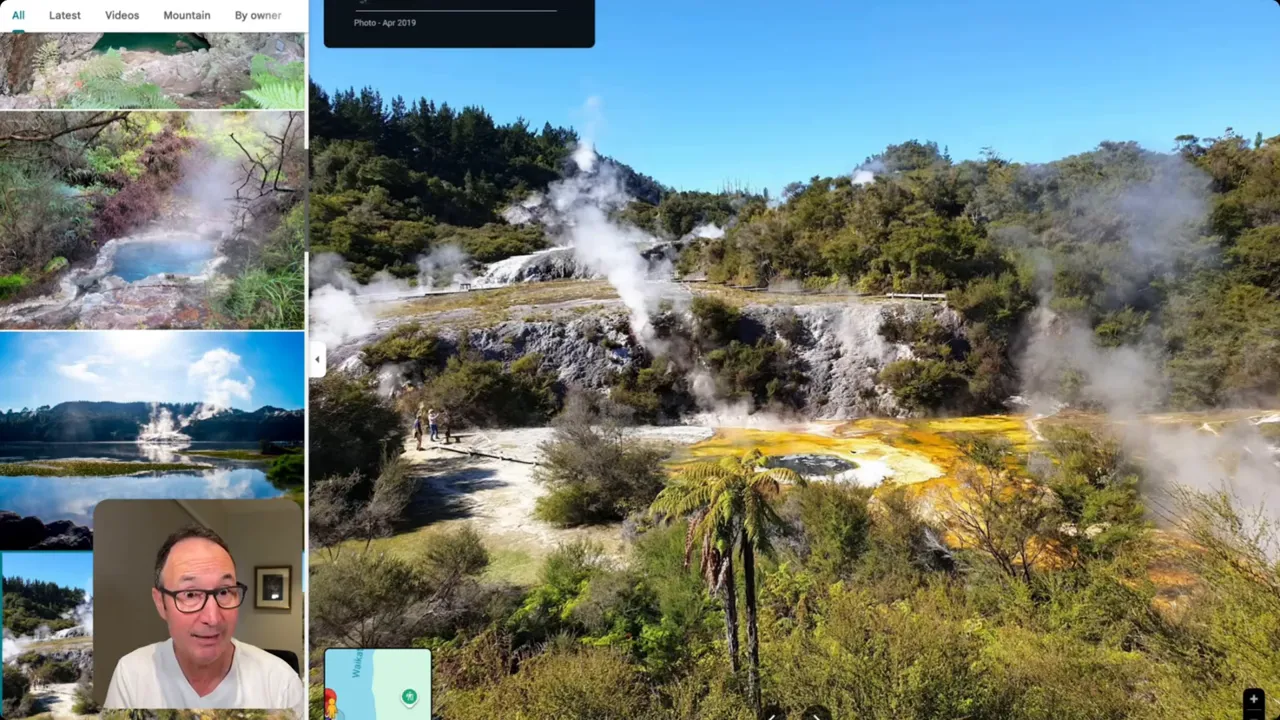
Allow 1–2 hours for the loop walk and ferry crossing. Orakei Korako is excellent as a peaceful stop on the Rotorua to Tongariro National Park drive.
Taupo: thermal spas, craters of the moon and Huka Falls jet boating
The drive continues through pine country into Taupo territory. Lake Taupo is New Zealand’s largest lake—almost comparable in size to a small country—and the drive along its shores is expansive and scenic.
Wairakei Thermal Health Spa
If you prefer an elevated spa experience to wild hot pools, Wairakei Terrace Thermal Health Spa is a tidy, developed option with pools set in a landscaped environment. It’s a restful stop less than a minute’s detour from the main road and a good counterpoint to the raw geothermal sites earlier in the day.
Craters of the Moon
Craters of the Moon is an easy boardwalk through steaming vents and boiling mud pools. If you’ve already visited Waimangu, Wai-O-Tapu or Orakei Korako, this site is less dramatic in comparison and can be skipped in favor of the other highlights.
Huka Falls and jet boating
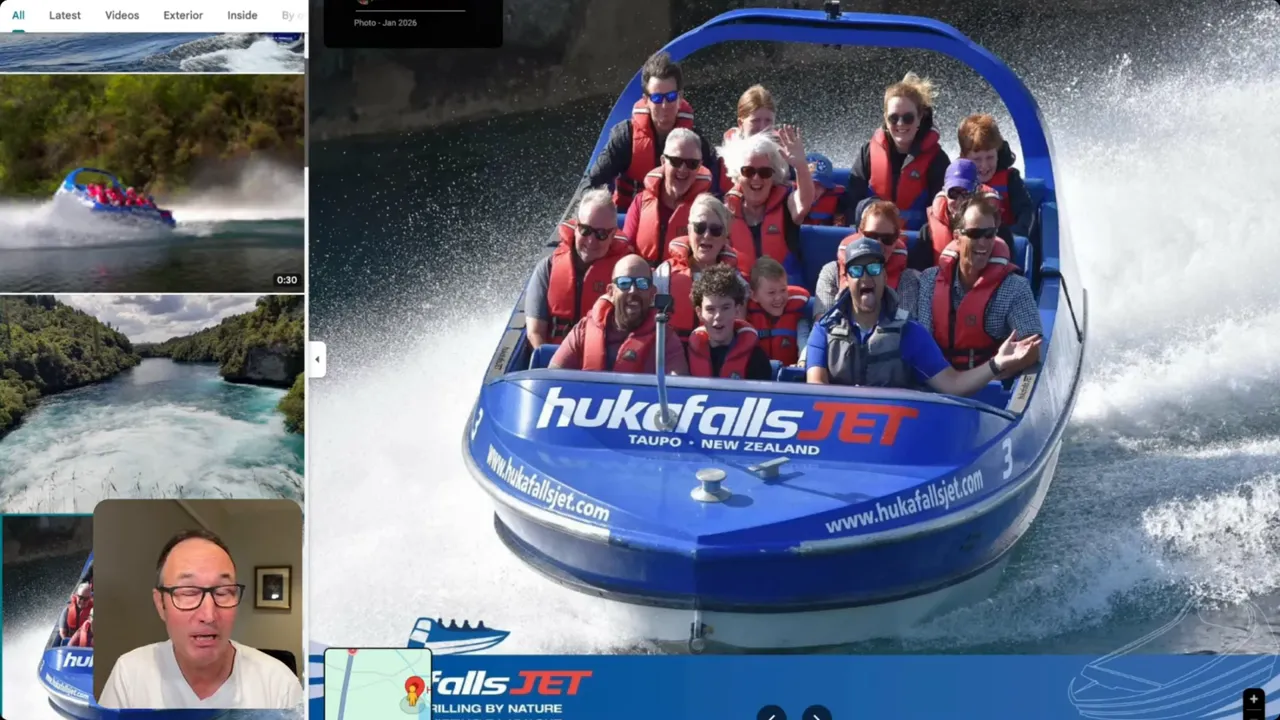
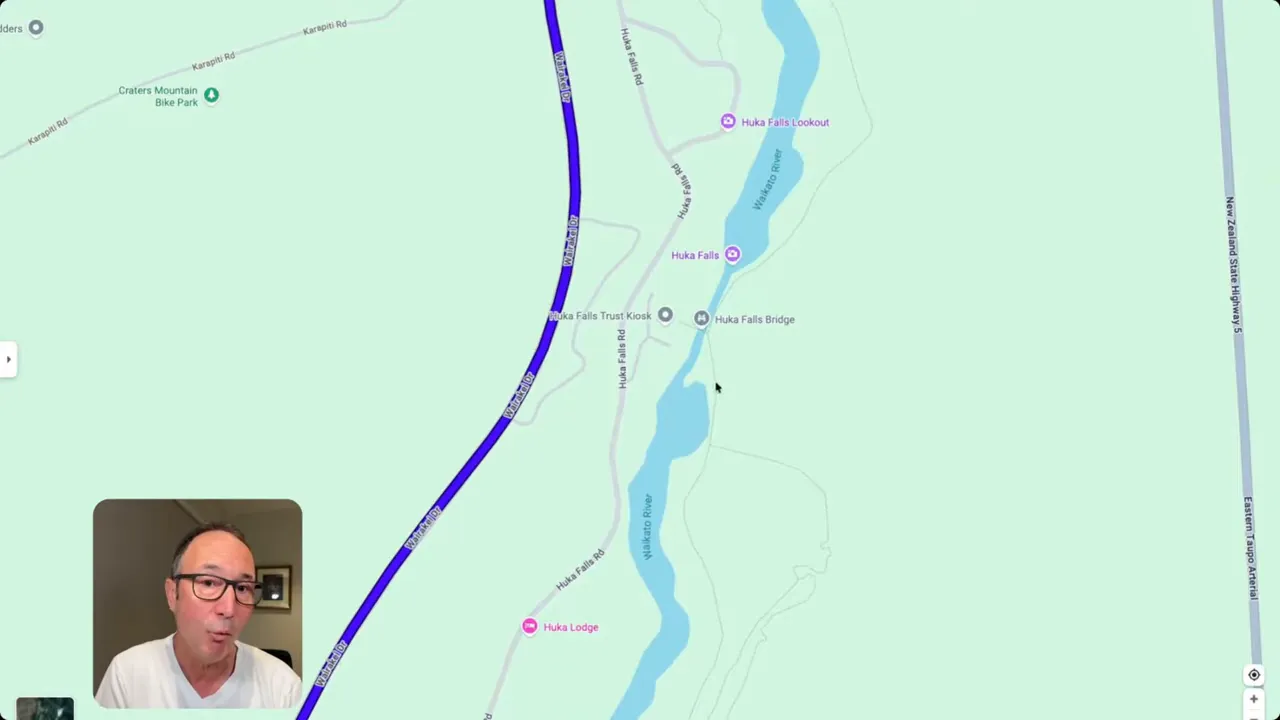
Huka Falls is a must-do stop close to Taupo township. The Waikato River channels a huge volume of water through a narrow gorge—spectacular to view from the lookout. For adrenaline, take a Huka Falls jet boat ride that runs right into the action; it’s one of the top high-energy activities to add to your Rotorua to Tongariro National Park drive itinerary.
Heading toward Tongariro: where to stay for serious hiking
The full trip from Rotorua to the Tongariro alpine region is doable as a long day, but if you want to hike the Tongariro Crossing or explore multiple tracks, plan to stay in the region for at least one or two nights. This is essential if the plan includes the full alpine crossing—an exposed 7–9 hour traverse that deserves early starts and post-hike recovery.
Where to base yourself
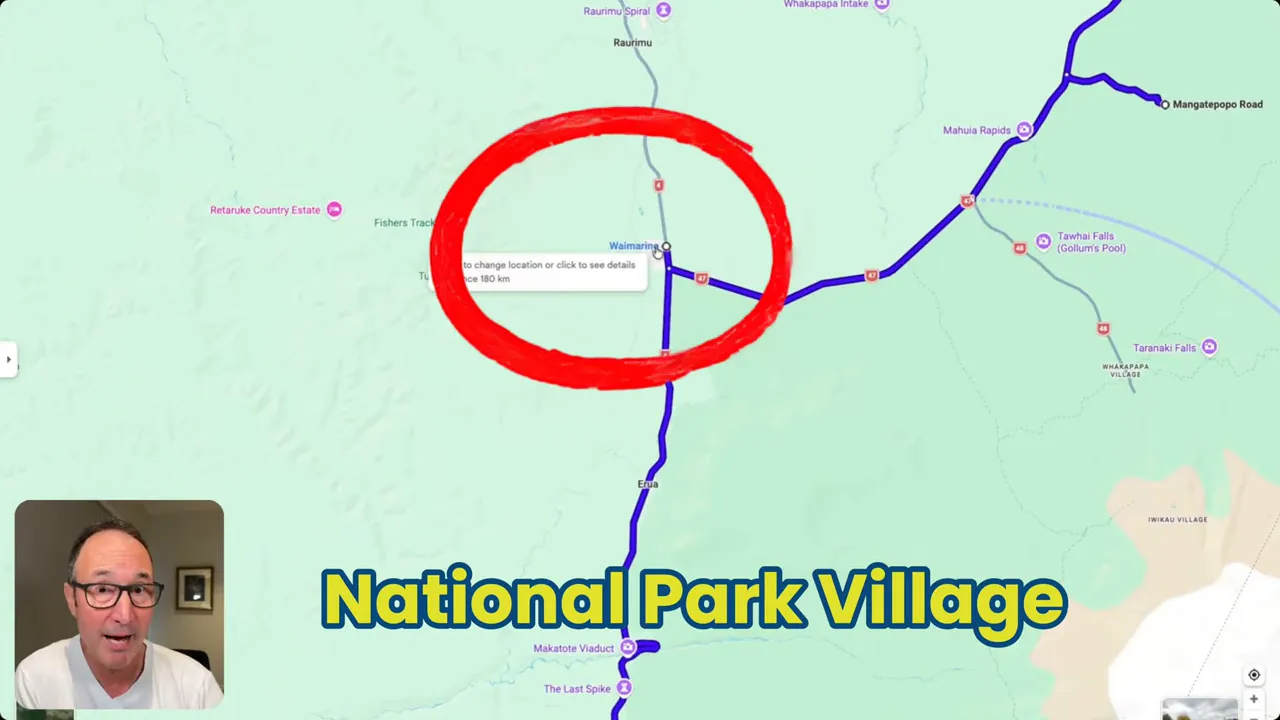
Consider these bases for the Tongariro area:
- National Park Village (Raurimu/Ohakune area): Small village (around 200 residents) with services and quick access to park tracks.
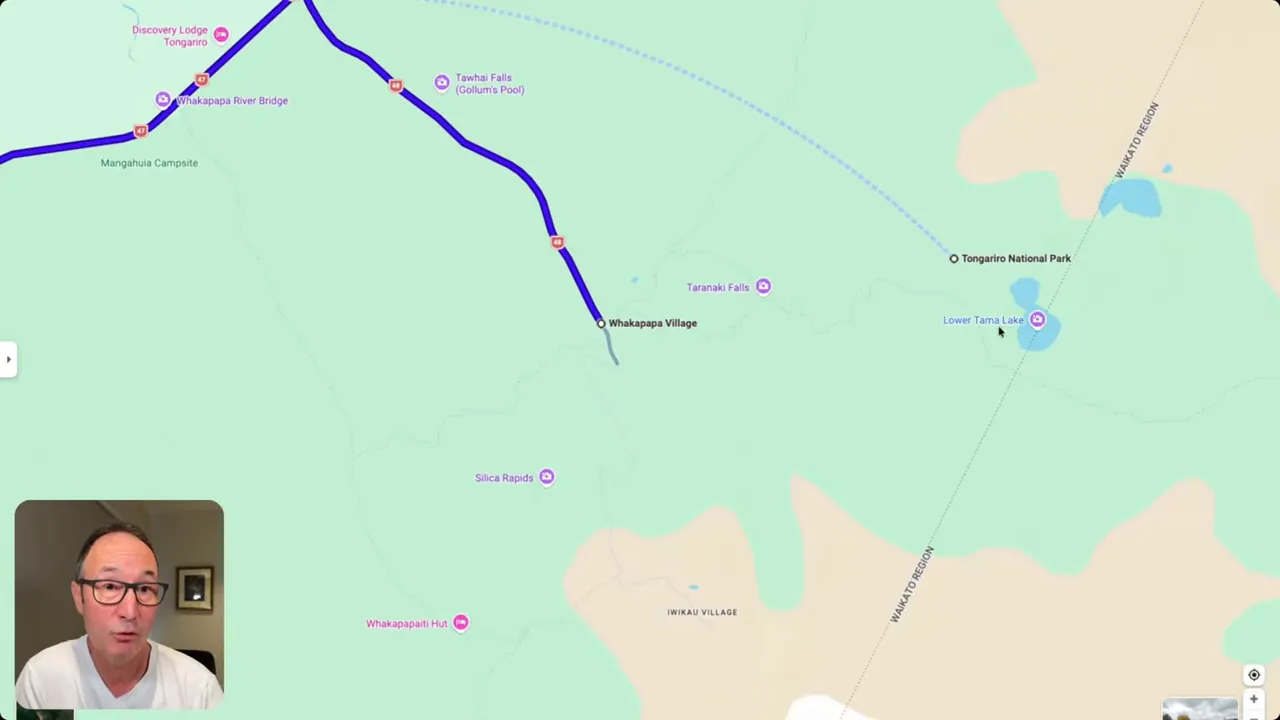
- Whakapapa Village: Inside the national park and closest to alpine access and shorter walks like Tama Lake.
- Ohakune: Larger town to the south with the widest range of hotels, motels, restaurants and services.
- Horopito and nearby cottages (for example Night Sky Cottage): Quiet, characterful stays if you prefer boutique accommodation.
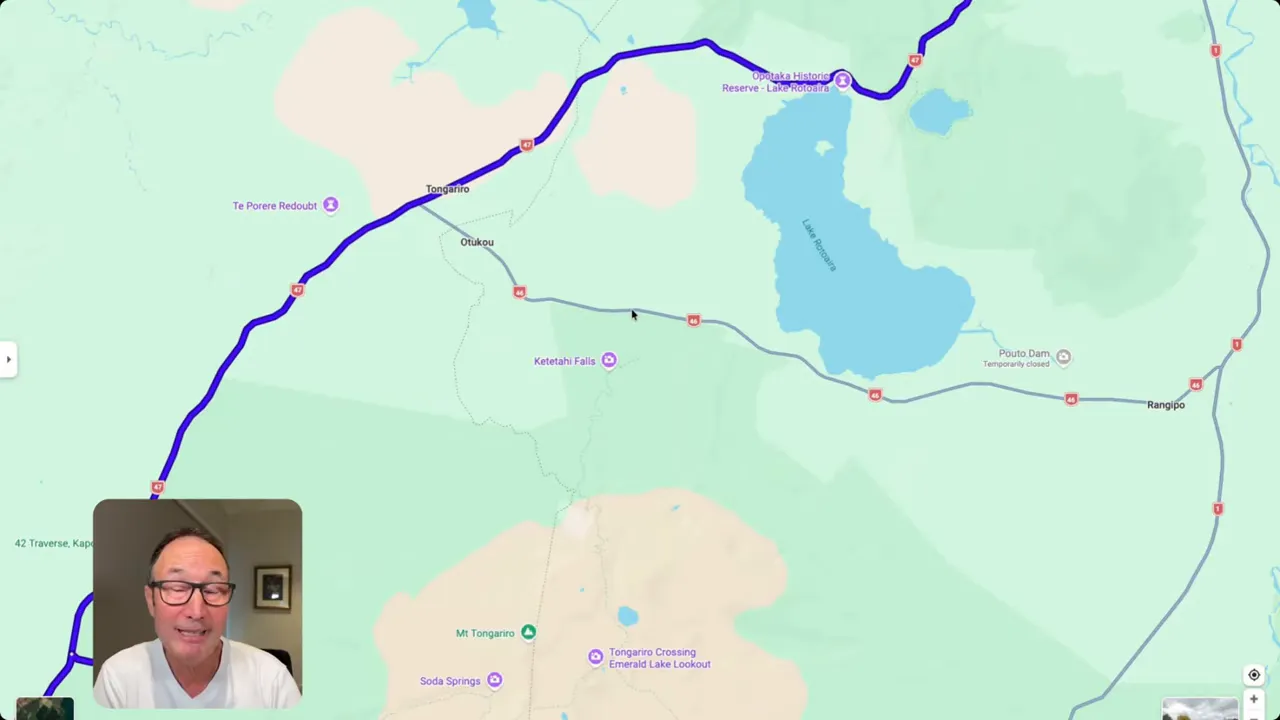
If you plan the famous Tongariro Alpine Crossing, the usual route starts at the Mangatepopo car park and finishes near Ketetahi. Shuttle operators regularly run drop-offs from National Park Village or Ohakune and return pickups from the Ketetahi car park late in the day. The crossing is roughly 20 kilometres and usually takes 7–9 hours—so logistically, staying locally makes the Rotorua to Tongariro National Park drive far less rushed.
Packing, timing and practical tips for the route
To get the most from the Rotorua to Tongariro National Park drive:
- Start early: geothermal parks are quieter in the morning and you’ll avoid midday crowds at Lady Knox and other attractions.
- Pre-book key experiences: Waimangu cruises and some park entries can require reservations.
- Bring appropriate footwear: boardwalks, muddy tracks and hot pool approaches all benefit from good shoes.
- Pack for changeable weather: the volcanic plateau can be windy and cool even on sunny days.
- Respect thermal features: stay on boardwalks and follow signs—thermal ground can be fragile and dangerous.
- Shuttle for the crossing: if you’re doing the Tongariro Crossing, pre-book a shuttle to avoid a long deadhead drive between start and finish points.
Sample one-day and two-day itineraries
One-day (busy) option
- Depart Rotorua early.
- Stop at Waimangu for the walk + boat (allow 3–4 hours).
- Quick visit to Kerosene Creek for a soak.
- Wai-O-Tapu and early Lady Knox viewing (if timed correctly).
- Drive to Taupo for Huka Falls lookout and optional jet boat.
- Continue to National Park Village or Ohakune for the night.
Two-day (relaxed) option
- Day 1: Rotorua → Waimangu → Orakei Korako → Taupo (Huka Falls & spa) → overnight in Taupo or Ohakune.
- Day 2: Early drive to Mangatepopo start for Tongariro Crossing, shuttle pickup in Ketetahi, rest and recover in National Park Village.
Why slow down on the Rotorua to Tongariro National Park drive
The best parts of this route aren’t just the endpoints but the thermal landscapes, hot pools and short walks that lie between. Spending time at Waimangu, Orakei Korako and Kerosene Creek turns a straightforward drive into a memorable journey. If hiking is your main goal, staying in the Tongariro region for a night or two makes the crossing manageable and enjoyable.
A final practical reminder for the Rotorua to Tongariro National Park drive: build flexibility into your plan. Geothermal sites can be busy at peak times, weather can change quickly on the volcanic plateau, and the crossing is a serious day of alpine walking that deserves proper preparation.
Resources and next steps
If you want to map this route precisely, save the local park websites and the Mangatepopo/Ketetahi shuttle operators to your phone. Pre-book boat cruises and shuttles where possible, and check weather and park alerts on the Department of Conservation pages before setting out.
With a little planning, the Rotorua to Tongariro National Park drive becomes one of the North Island’s most rewarding short road trips: geothermal drama, soothing hot pools, and alpine trails all in one carefully paced journey.
Additional Travel Resources for a New Zealand Itinerary:
To further enhance your trip, here are some valuable resources:
- Selection of Value for Money Rental Cars 🚗 – Click here.
- Wide Selection of Camper & Motorhomes 🚐 – Click here.
- Download the 100% FREE NZ Travel Planning Sheet here
- Watch our NZ Travel Planning Playlist on YouTube here
- Review our NZ Sample Travel Itineraries on YouTube here
- Check out our NZ Road Trips Playlist for route inspiration here
- Visit key NZ Travel locations on our playlist here
- Explore our NZ Must Do & See Playlist here
Self-drive Road Trips:
Leave a Reply