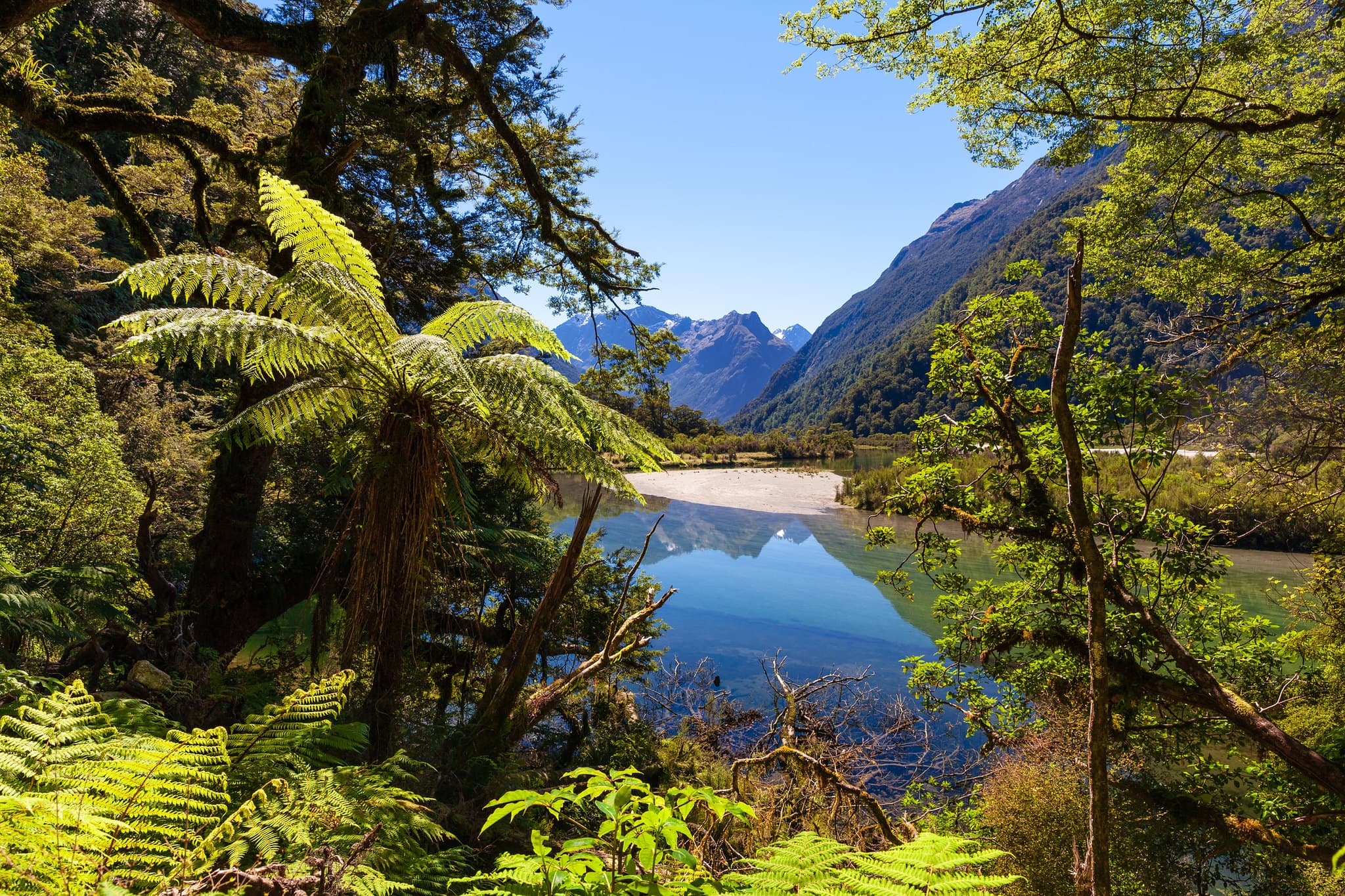
Campervanning New Zealand is one of those travel dreams that looks effortless in photos: winding coastal roads, glaciers, alpine lakes and nights under brilliant southern stars. In reality, getting the practical side right makes the difference between an unforgettable trip and one defined by exhaustion, overspending and avoidable stress. The advice below is aimed at helping you plan smarter so you enjoy the freedom of campervanning New Zealand without the common pitfalls many first-time travelers face.
Why planning matters for campervanning New Zealand
Unlike a standard road trip with hotel stops, campervanning New Zealand changes travel pace, logistics and priorities. The vehicle you choose will shape your daily driving time, where you sleep, and how you store gear. Getting the planning order right—start with where you want to go, then choose the vehicle—saves money and grief later.
Below are the ten most common mistakes people make when they start planning a New Zealand campervan trip, with practical fixes, sample itinerary frameworks and resource tips so you can travel with confidence.
Top 10 mistakes (and fixes) for campervanning New Zealand
Mistake 1 — Booking the campervan before you plan your route Many travelers book a flashy campervan the moment they convince themselves they want to travel that way. The problem is the vehicle should serve the itinerary, not the other way around. If your must-see list contains city attractions, short walks and a few guided tours, a compact car plus nights in town might be better. If you plan remote alpine or coastal camping, a self-contained motorhome could be perfect. Pick your destinations first, then choose the vehicle that matches your travel style and timing. This simple reversal will save you money and time.
Mistake 2 — Trying to do both islands in two weeks New Zealand is long. The country stretches nearly 1,600 kilometers from top to bottom, with the South Island alone covering over 900 kilometers. If you only have two to four weeks and intend to campervan both islands, expect to spend a lot of your trip driving. Rule of thumb: if you want to see both islands, allocate one third of your time to the North Island and two thirds to the South Island. Better still, consider doing the North Island by rental car and flying to the South Island to collect a campervan. This reduces unnecessary driving and gives you more time to enjoy scenic regions.
Mistake 3 — Chasing rock-bottom rental deals without checking the details Low prices can be tempting, especially winter bargains under NZD 100 per day. There are reasons those rates exist: off-season demand, older vehicles, and fewer comforts. Winter travel in the South Island can mean sub-zero nights and higher mechanical risk in older vans. Compare options thoroughly, check vehicle age and included insurance, and factor in heating and bedding if you plan to travel in colder months. Use comparison tools to view vehicle details rather than booking the cheapest option blindly.
Mistake 4 — Picking up the campervan immediately after a long flight After a 15 to 20 hour international journey you are likely exhausted and jet-lagged. Driving a large vehicle while tired is unsafe. Campervans and motorhomes are charged per day, so rather than picking up a vehicle the same day you arrive, book a hotel for your first night and collect the van the next morning. This gives you rest, reduces the risk of an accident, and maximizes the rental value by starting fresh on day one of driving.
Mistake 5 — Underestimating the vehicle pick-up and orientation time Picking up a motorhome is not like collecting a rental car. The check-in can take an hour or more as staff explain gas systems, wastewater disposal, power hookups, storage and the vehicle’s handling. Many motorhomes exceed seven and a half meters, requiring extra time for drivers to get comfortable. Plan your first pickup day with nothing ambitious scheduled. Allow time to learn the systems and take a short drive practice loop before heading onto long stretches of road.
Mistake 6 — Trusting Google Maps timings for long motorhome drives Google Maps estimates are usually based on car speeds. In a motorhome, especially on hilly, winding South Island roads, average speeds are closer to 60 km/h. A journey marked as four hours can easily stretch to six once you add photo stops, toilet breaks and lunch. Plan conservatively and build buffer time into each day. This avoids rushed afternoons and allows for spontaneous detours—often the highlight of campervanning New Zealand.
Mistake 7 — Underplanning the North–South island transfer Taking the ferry between Wellington and Picton is scenic but time-consuming. Budget one to two full travel days for the Wellington–Picton crossing, driving to the terminal and continuing on the other side. Ferry cancellations or delays due to weather are real possibilities. If your time is limited, flying between islands and hiring separate vehicles is often the most time-efficient option. For many, collecting a campervan in the South Island and returning it in Christchurch is a smart way to maximize scenic time.
Mistake 8 — Moving every single day Trying to tick off too many places in one trip turns campervanning into a marathon. The better approach is to stay at least two nights in key spots—Rotoura, Tongariro/Taupo, Wanaka, Franz Josef, Nelson-Tasman and Queenstown are good examples. Two-night stays let you rest, take local tours, meet other travelers and actually enjoy the region instead of always packing and driving. Many guided tours pick up directly from campgrounds, so staying put also makes it easier to experience local activities.
Mistake 9 — Winging the camping reservations during peak season Between November and March the popular campgrounds fill quickly. Expect Queenstown, Franz Josef, Wanaka and Abel Tasman areas to be booked weeks or months ahead in summer. Departing without reservations risks sleeping in a parking lot or missing facilities like showers, power and wastewater disposal. Book your high-demand nights in advance and keep flexible nights between destinations. Also consider Department of Conservation sites and freedom camping options where suitable, but always check the rules and facilities.
Mistake 10 — Bringing hard case suitcases instead of soft bags Storage in campervans is precious. Hard suitcases don’t compress and waste valuable space. Soft duffels, packable daypacks and vacuum bags will fit in awkward places and free up living space inside the van. For one-way hires where you cannot leave luggage at the depot, soft bags make organizing and accessing gear far easier. Pack light, bring layers and prioritize flexible packing solutions.
These frameworks are designed for a campervan pace that values quality over quantity. Each mentions the phrase to help the planning focus on campervanning New Zealand logistics.
Day 1: Arrive Christchurch, collect campervan in morning, short drive to Akaroa or drive to Lake Tekapo.
Day 2–3: Mount Cook region for short walks and stargazing.
Day 4–5: Wanaka—relax, hike Roys Peak alternatives, local tours.
Day 6–7: Queenstown—adventure activities or chill by the lake.
Day 8: Drive to Te Anau—gateway to Milford Sound.
Day 9: Milford Sound day cruise and back to Te Anau.
Day 10: Return toward Christchurch with scenic stops or fly out from Queenstown.
Days 1–4: North Island by rental car—Auckland, Hobbiton, Rotorua (thermal experiences).
Day 5: Fly to Queenstown, collect campervan.
Days 6–12: South Island campervan loop—Wanaka, Franz Josef, Hokitika, Nelson-Tasman.
Days 13–14: Return to Christchurch or fly out from Queenstown.
Allow two-night stays at 6 or 7 key locations to really experience each region.
Include ferry day if you want to add a North Island segment; otherwise use flights to maximize time.
Reserve a few tour days for guided glacier walks or Milford Sound cruises.
To help turn planning into action, here’s a compact checklist and some practical tips that align with the mistakes above.
Do this first: List must-see places and experiences, then choose vehicle type accordingly.
Time allocation: For mixed-island trips use a 1:2 North:South split in days; for limited time, focus on one island.
Booking strategy: Reserve key campgrounds for peak season and allow flexible nights between bookings.
Pickup day: Book a hotel on arrival and collect your campervan refreshed the next morning.
Pack smart: Use soft bags, layering clothing and dry bags for beach or wet-weather days.
Driving estimates: Use 60 km/h as your baseline for planning longer routes in a motorhome.
Insurance and vehicle age: Compare across providers and check what each policy covers; older vans may be cheaper but come with trade-offs.
Download offline maps: Cellular coverage can be patchy in remote areas—have offline navigation and a paper map as backup.
Respect local rules: Freedom camping is allowed in some areas but regulated. Always follow signage and local bylaws.
Comparison tools make it easier to evaluate vehicle age, included insurance and extra costs. Look for websites that list vehicle details, ages and insurance options so you can weigh price against reliability and comfort. Many planning resources also offer downloadable sample itineraries—use them as a starting point and adapt to your pace.
Suggested resource types to search for:
Campervan and motorhome comparison sites that show vehicle ages and insurance packages.
Rental car comparison tools for the North Island driving days before switching to a campervan in the South.
Department of Conservation site maps for basic campsites and freedom camping rules.
Local campground booking platforms for high-demand spots in summer.
The most successful trips prioritize experiences over ticking boxes. Slow down, stay two nights in key places, pack flexible clothing and allow for weather delays. Choosing the right vehicle after planning your route, booking smartly for summer, and packing soft bags will transform the experience from stressful to joyful.
Campervanning New Zealand is about making memories—sunrise lakes, glacier valleys, friendly campgrounds and late-night conversations under the stars. With a little planning and fewer of the ten mistakes above, you’ll have the space, time and energy to enjoy every moment on the road.
Decide destinations first, then choose vehicle.
Allocate time wisely: 1:2 North:South split if visiting both islands.
Book key campgrounds for peak season in advance.
Collect campervan after a rest night on arrival.
Pack soft bags and layers; avoid hard suitcases.
Plan driving times at ~60 km/h for motorhomes.
Compare vehicle age and insurance carefully.
Use the checklists and itinerary templates above as a base. If you want a relaxed, scenic trip focus on the South Island, and if you have limited time consider splitting modes—rental car for the North and campervan for the South. Follow these practical steps and your campervanning New Zealand adventure will be safer, smoother and far more enjoyable.
Safe travels and happy planning.
To further enhance your trip, here are some valuable resources:
Selection of Value for Money Rental Cars 🚗 – Click here.
Wide Selection of Camper & Motorhomes🚐 – Click here.
Download the 100% FREE NZ Travel Planning Sheethere
Watch our NZ Travel Planning Playlist on YouTube here
Review our NZ Sample Travel Itineraries on YouTube here
Check out our NZ Road Trips Playlist for route inspiration here
Visit key NZ Travel locations on our playlist here